Why PDO Threads Could Be the Answer to Prolonging a Surgical Facelift in Birmingham, Alabama
For men and women in Birmingham, Trussville, Hoover, Mountain Brook, and nearby Alabama cities, maintaining a youthful appearance without immediately turning to surgery is a top priority. Surgical facelifts can create dramatic changes, but many people today prefer a less invasive option that still delivers noticeable results. PDO threads have become one of the most trusted procedures for individuals who want to refresh their look, smooth lines, and lift sagging areas while delaying the need for surgery. At K2 Restorative Medicine and Med-Spa in Trussville, Dr. Pamela Kulback is widely recognized as a master PDO Thread Lift expert, offering patients throughout Alabama a safe and effective way to achieve natural rejuvenation.
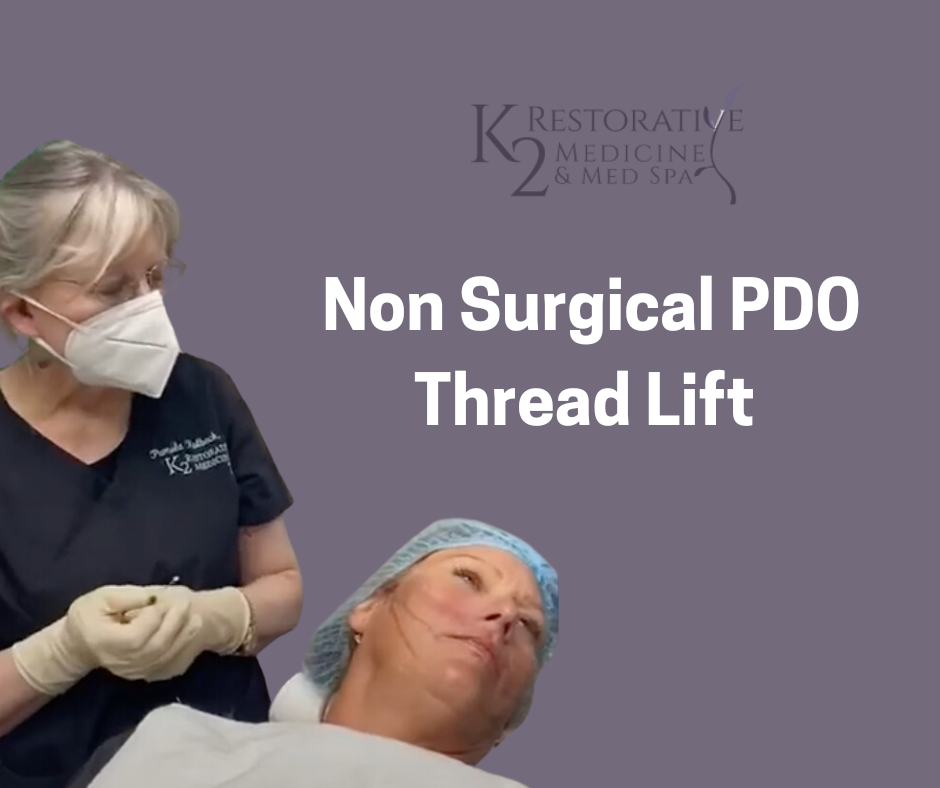
Dr. Pamela Kulback, Alabama’s PDO Thread Lift Expert
Dr. Pamela Kulback has built a reputation throughout Birmingham and beyond as one of the leading specialists in PDO thread lifts. Her journey into aesthetics began after a successful career as a radiologist. That medical background gave her the steady hand and eye for precision that aesthetics demand. Over the past decade, she has devoted herself to mastering PDO threads, attending more than two dozen specialized courses across the United States, including advanced training in California, Florida, and Georgia.
Today, patients from Trussville, Hoover, Vestavia Hills, Mountain Brook, Leeds, Moody, and even from neighboring states such as Georgia, Mississippi, and Florida travel to see Dr. Kulback for thread lifts. Her patients trust her not only because of her education and training but because she has successfully completed hundreds of PDO thread cases. Experience matters when choosing a provider, and Dr. Kulback’s record of excellence makes her a sought-after expert.
The Science Behind PDO Threads
PDO threads are made of polydioxanone, a material that has been safely used in medical sutures for decades. Once placed under the skin, these threads stimulate the natural production of collagen and elastin, which are essential proteins for youthful, firm skin. As the threads gradually dissolve, the skin continues to improve from the inside out, leaving behind smoother texture, better elasticity, and lifted contours.
Smoothing Threads Versus Lifting Threads
Not all PDO threads serve the same purpose. Dr. Kulback uses different types of threads to meet specific goals for each patient.
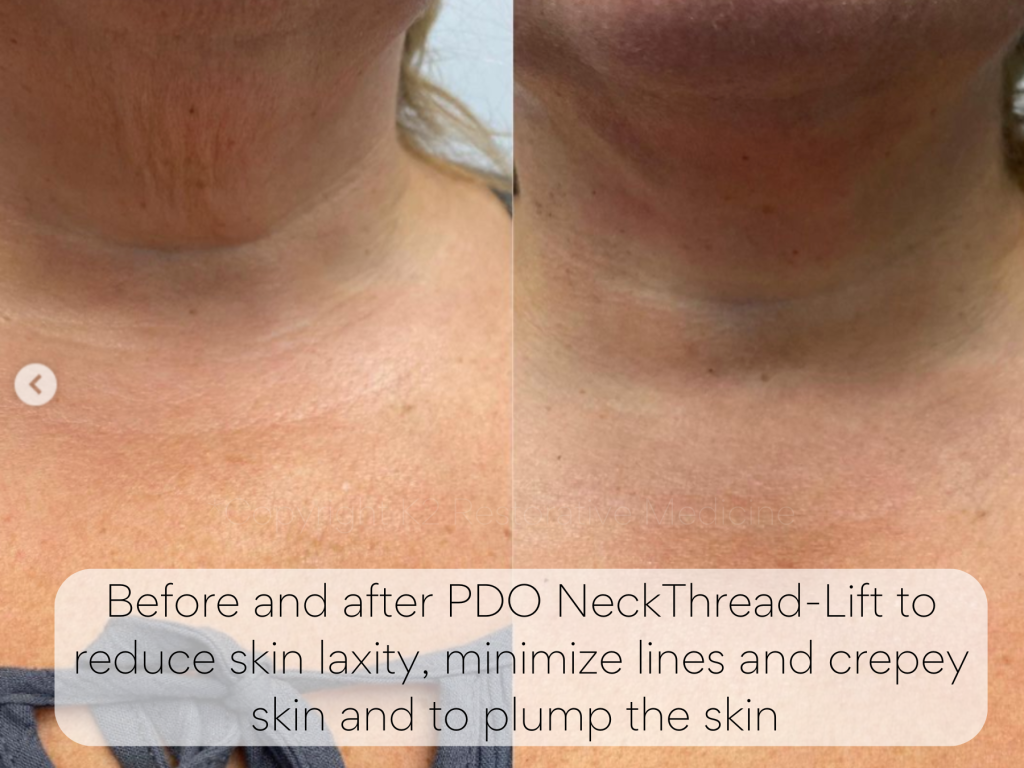
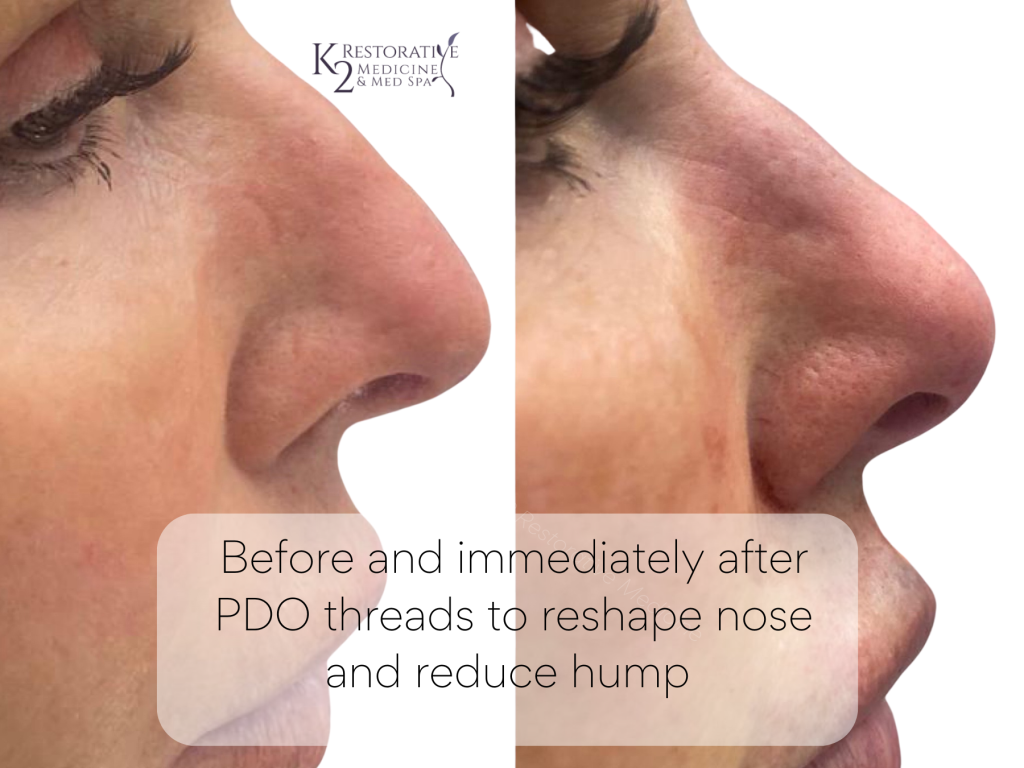
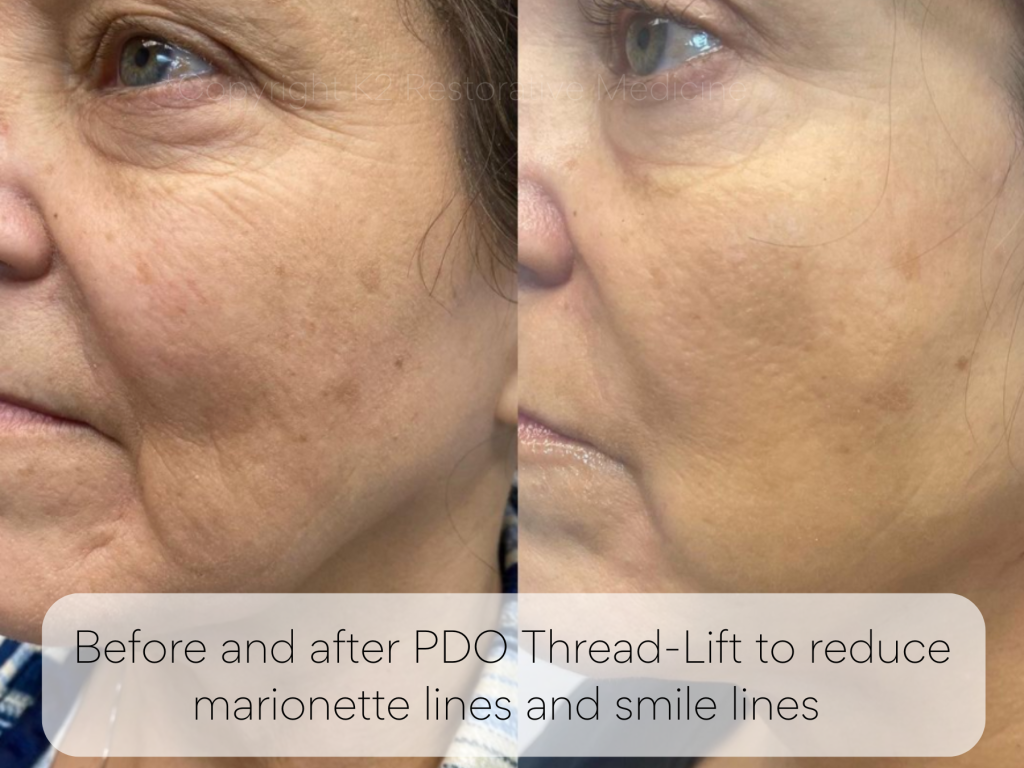
Smoothing threads are often called collagen-stimulating threads. They are typically small and placed under fine lines or areas of texture concerns. They can be used for acne scars, dimples, necklace lines, and fine lines around the mouth. Their main role is to encourage collagen formation, which over time makes the skin look tighter, firmer, and more even. They can also be used in the lips to enhance shape and increase size.
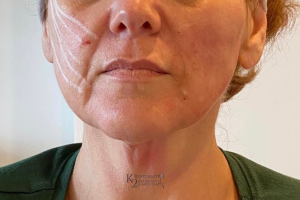
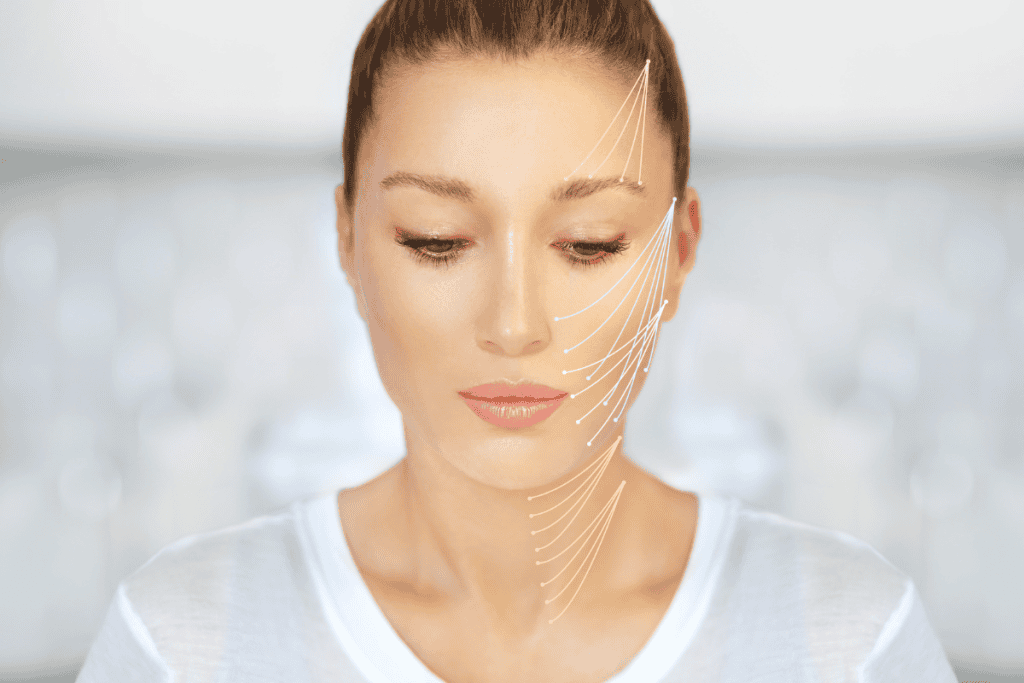
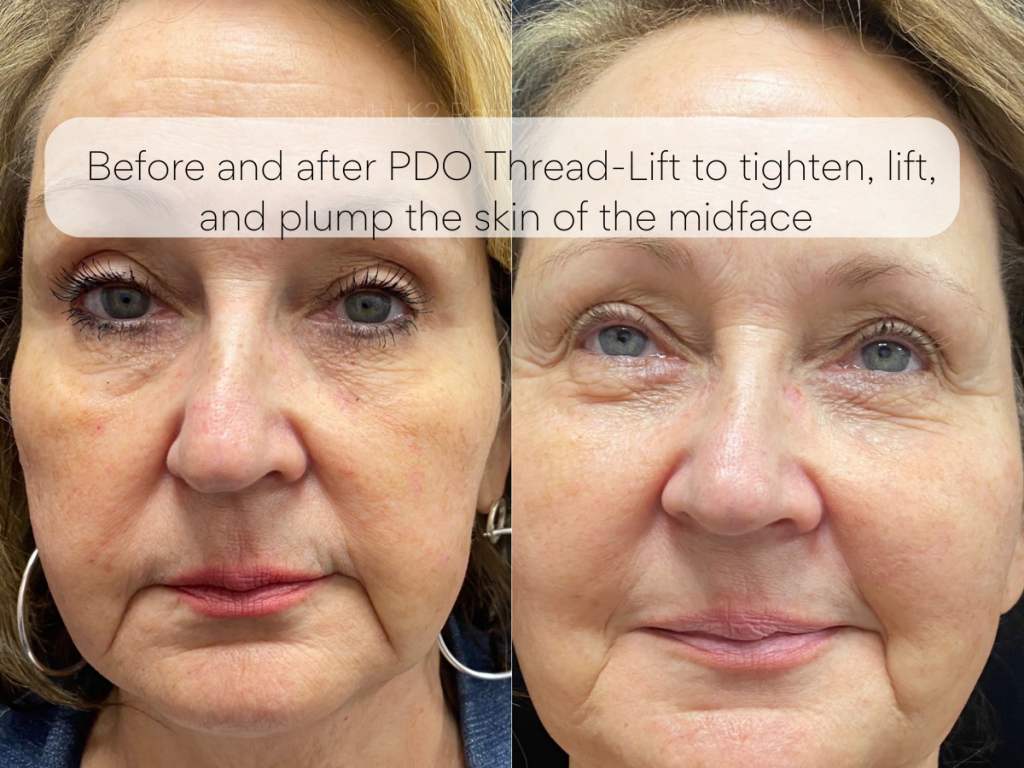
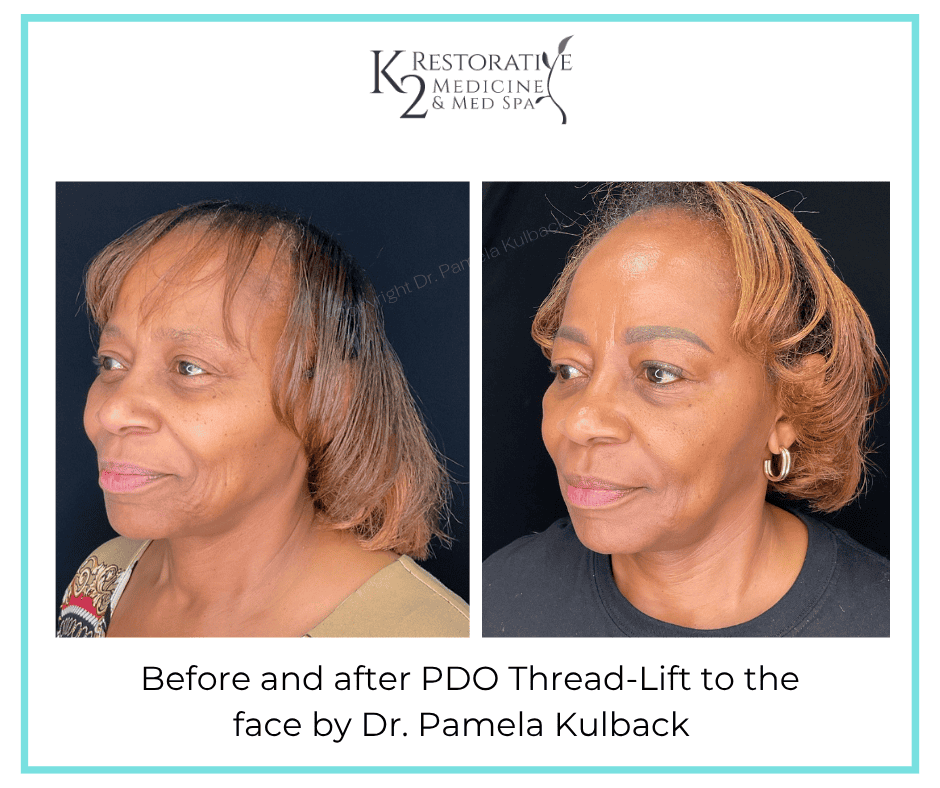
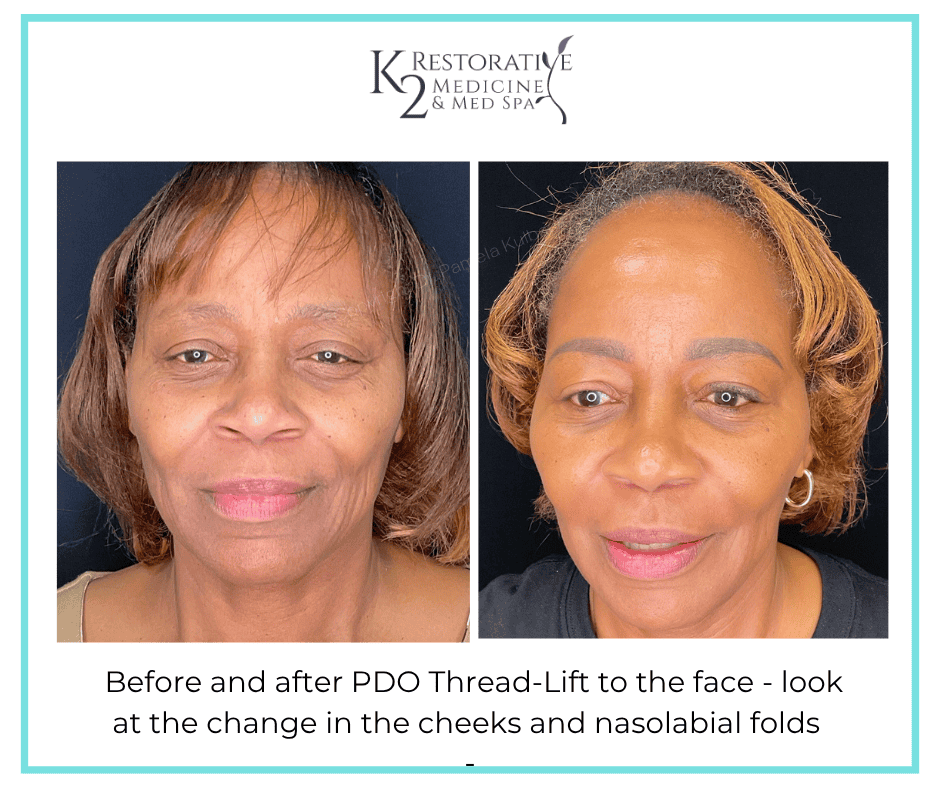
Lifting threads, on the other hand, are designed to reposition sagging skin. These threads have small barbs or cones that gently anchor into the tissue, allowing the skin to be lifted and held in a more youthful position. Lifting threads are most commonly used in the midface, lower face, jawline, and neck. They can also be applied to areas such as the knees, thighs, and above the knees for certain patients. The combination of immediate lift with ongoing collagen production makes lifting threads one of the most versatile and powerful tools in aesthetic medicine.
V-Soft Lift Threads at K2 Restorative Medicine and Med-Spa
Dr. Kulback uses many different brands and types of PDO threads, but one of the most trusted in her practice is V-Soft Lift Threads. These threads are known for their high quality and safety, providing reliable results for both smoothing and lifting applications. Because every patient has unique needs, Dr. Kulback carefully selects the type and number of threads required to achieve the best outcome. Her extensive experience allows her to combine different thread types in a single treatment, customizing results for each individual’s face, neck, or body.
Benefits of PDO Thread Lifts
Patients throughout Birmingham and surrounding areas choose PDO threads for a variety of reasons. Some of the most important benefits include
- Natural looking results that gradually improve over time
- Minimal downtime compared to surgical procedures
- Collagen stimulation for long term skin health
- Customizable treatments for different areas of the face and body
- The ability to postpone or even avoid a surgical facelift
- Increased confidence with firmer, smoother, and more lifted skin
- Unlike surgery, thread lifts do not require general anesthesia or extensive recovery.
Most patients return to work or daily activities within a day or two, making it a convenient option for people with busy lives in and around Birmingham.
Why Experience Matters
One of the most important factors in PDO thread success is the skill and experience of the provider. PDO threads require knowledge of facial anatomy, precision placement, and an artistic eye for balance. In the wrong hands, results may be uneven or short lived. Dr. Pamela Kulback has performed hundreds of thread lifts successfully, giving her the expertise to avoid complications and deliver consistent, natural outcomes. Her patients repeatedly say they appreciate her careful approach, her ability to listen, and her attention to detail. Choosing a physician who has dedicated years to perfecting thread lifts ensures that patients receive the safest and most effective treatment possible.
Frequently Asked Questions About PDO Threads
Are PDO threads safe?
Yes. PDO threads are made of a material that has been used in medicine for many years. They are safely absorbed by the body over time, leaving behind new collagen.
How long do PDO thread results last?
Most patients see improvements for 12 to 18 months. Results vary depending on the type of threads used, the number of threads placed, and the individual’s skin condition.
Can PDO threads replace a facelift?
While thread lifts provide excellent improvement, they are not a substitute for a surgical facelift. They are ideal for patients who want to delay surgery or who prefer a less invasive approach.
Is there downtime after a thread lift?
Downtime is minimal. Some patients may experience mild swelling or bruising for a few days, but most return to regular activities quickly.
Who is a good candidate for PDO threads?
Men and women in their thirties through sixties who have mild to moderate skin laxity and want to improve their appearance without surgery are excellent candidates.
Why Patients Travel to Trussville for PDO Threads
Patients often share that they choose K2 Restorative Medicine and Med-Spa because of Dr. Kulback’s reputation for excellence. Her clinic in Trussville is conveniently located for patients in Birmingham, Mountain Brook, Hoover, and Vestavia Hills, but many people are willing to travel hours from other states because they want her expertise. When it comes to a procedure as delicate as PDO threads, trust and proven experience are everything.
The Future of Aesthetics in Birmingham, Alabama
PDO thread lifts are part of the growing demand for non-surgical rejuvenation in Birmingham and surrounding Alabama communities. As patients seek ways to look younger without committing to surgery, thread lifts provide the perfect bridge between injectables and surgical procedures. Under the guidance of Dr. Pamela Kulback, patients can achieve results that are both immediate and long lasting, keeping them confident and refreshed while postponing the need for a facelift.
For patients in Trussville, Birmingham, Hoover, Mountain Brook, Vestavia Hills, and beyond, PDO threads represent one of the most effective tools available for maintaining a youthful look without surgery. Whether smoothing fine lines or lifting sagging skin, PDO threads work with the body’s own collagen to deliver natural improvements. With her extensive training, her background in radiology, and her experience performing hundreds of successful thread lifts, Dr. Pamela Kulback at K2 Restorative Medicine and Med-Spa is the trusted expert in Alabama for PDO thread lifts.
If you are considering ways to refresh your appearance, improve skin firmness, and postpone surgery, PDO threads may be the answer. Patients throughout Alabama and neighboring states continue to choose Dr. Kulback for her expertise, precision, and results.